$88 million for American hernia mesh injured man. What about UK patients?
A jury in the United States has ordered Medtronic’s Covidien division to pay $88 million to a couple after finding that surgeons were not adequately warned about risks linked to the company’s Symbotex hernia mesh.
The jury heard that important information about the product’s absorbable coating was not given to doctors before implantation.
For many people injured by surgical mesh, the verdict will feel like a landmark moment in that manufacturers can be held accountable for the avoidable harm patients have suffered.
But for campaigners and patients here in the UK, the story raises a difficult question: why are American patients able to pursue large-scale litigation, while many British patients facing similar injuries are left without access to justice?
At Sling The Mesh, we hear from men and women from around the world whose lives have been devastated by hernia mesh complications. Some report chronic pain, bowel problems, repeat surgeries, loss of mobility and long-term impacts on work, relationships and mental health. Many describe experiences that sound remarkably similar to those at the centre of US litigation.
Yet despite these similarities, there have been no large group actions or significant payouts in the UK relating to hernia mesh injuries.
That is not because British patients have suffered less harm.
Instead, it reflects the reality of the legal system. Group litigation is generally harder to pursue in England and Wales than in the United States. Cases are expensive, complex and often take years to develop. Patients can face significant barriers in finding legal representation willing to take on medical device manufacturers.
The result is an uncomfortable imbalance. Two patients can receive the same product, experience similar complications and endure the same life-changing consequences, but their ability to seek compensation depends largely on where they live in the world.
That feels fundamentally unfair.
UK patients deserve the same opportunity to have their voices heard and their experiences properly examined.
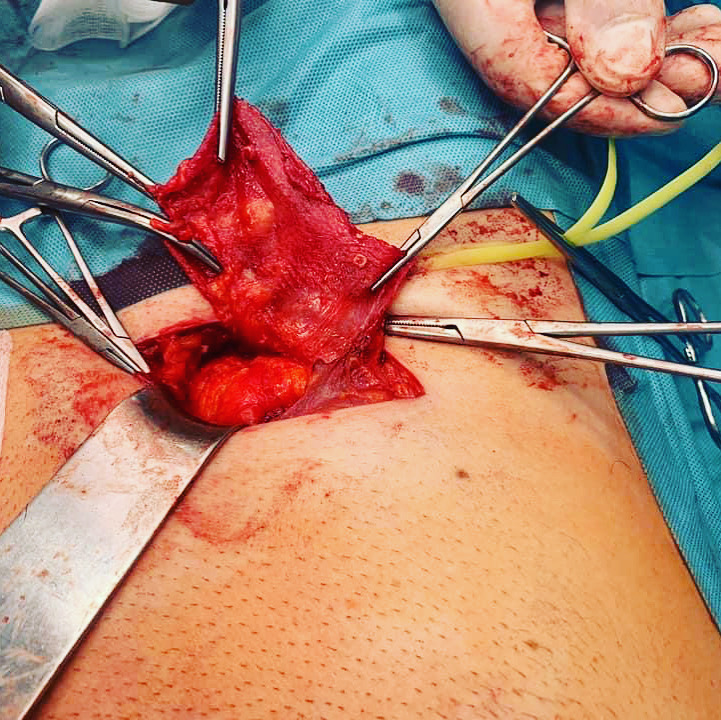
Below is an image of hernia mesh being removed