Mesh Types
We are often told mesh is one of the most studied operations in the world – however, many of those studies are riddled with problems.
See our blog about Flimsy Science.
For example, most studies only follow up patients for a few weeks or months, so don’t capture the true long-term rate of complications. Research questionnaires often don’t capture new onset of pain and complications, and instead focus on the fix.
Additionally, many studies are sponsored by mesh manufacturers, which means they may overstate the benefits and underplay the risks. In some research papers, those payments remain undeclared – adding a serious conflict of interest to the scientific evidence.
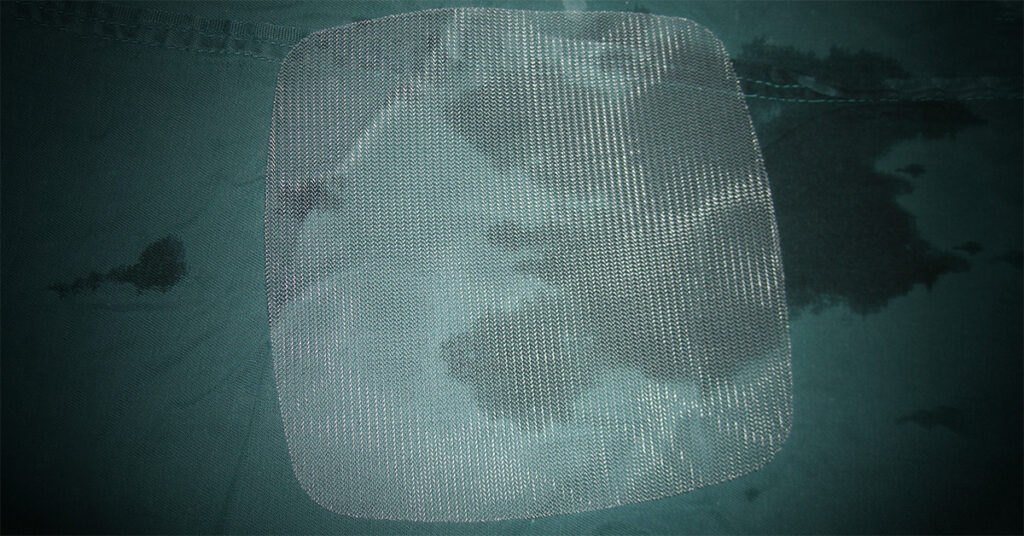
The majority of mesh products which we have looked into are made of polypropylene plastic – the same material as plastic cups. But there are also biomesh implants made from animal source, which can cause life altering health complications, such as infection, pain and sepsis.
These problems were all recognised by Baroness Cumblerlege in her First Do No Harm report published in July 2020.