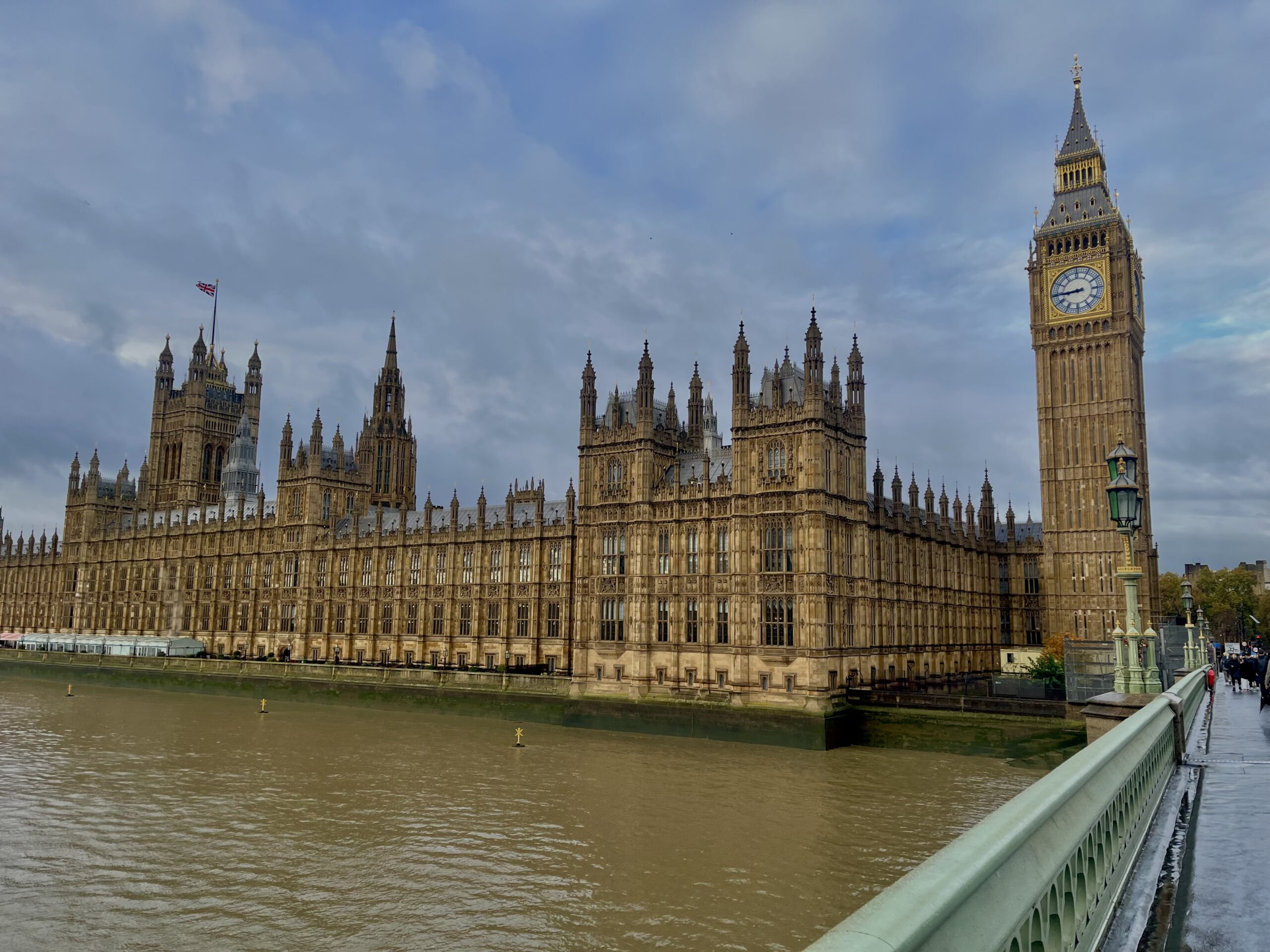
Utter incompetence: MPs condemn the MHRA
When MPs from across the political spectrum unite to describe a regulator as suffering from “utter incompetence”, lacking transparency, independence and public trust, it should set alarm bells ringing throughout Government.
That is exactly what happened during the Westminster Hall debate on the Medicines and Healthcare products Regulatory Agency (MHRA) today (17 November 2026).
For those of us in the mesh, sodium valproate, Primodos, PIP breast implant, covid vaccine, anti depressant harm and wider patient safety communities, much of what was said felt sadly familiar. The debate was a damning indictment of a regulator that many MPs believe is structurally incapable of protecting patients from harm.
And perhaps the most troubling question raised throughout the debate was this: If lesson after lesson has supposedly been learned, why do the same failures keep happening?
Utter incompetence
Opening the debate, Rt Hon MP Esther McVey (Cons) did not mince her words. Reflecting on years of regulatory failures, she told Parliament: “This is a tragedy that has gone on for many years. If we look at past performance, I have no confidence going forward.”
And her verdict on the MHRA was stark: “Utter incompetence.”
Failings include the voluntary Yellow Card reporting scheme which needs to be made mandatory, inadequate pre and post-market surveillance, conflicts of interest, lack of transparency and repeated failures to act swiftly on safety concerns.
Most significantly, she warned that without radical reform of the MHRA, both the human cost of patient harm and the financial burden on the health system will continue to grow. – all while public trust is eroded
MHRA cannot be relied on
The most striking moment of the debate came in McVey’s closing remarks. After hearing serious concerns raised by MPs, she said: “Time and again, not just today but over a long period, hon. Members have come to the House to raise concerns about the agency’s repeated failures and delays, and about the lack of transparency, independence, trust, teeth, oversight and scrutiny.”
She then delivered a conclusion that should deeply concern anyone who relies on the MHRA to keep patients safe: “What the public want is an organisation that can be relied upon to be in charge of the safety and efficacy of medicines and medical devices. As it stands, it cannot be.”
Calls to scrap the MHRA as a regulator
Perhaps even more extraordinary was the intervention from Labour MP Graham Stringer who said that the MHRA was a Quango that should be scrapped as a regulator and instead become an advisory body to the Secretary of State.
Particularly as its funding model – predominantly by the pharmaceutical industry – serves drug company profits rather than patient safety.
When asking the meeting whether the MHRA could reform itself, Stringer’s answer was a loud and clear. No.
That is not a small criticism. It is a direct challenge to the regulator’s continued existence in its current form.
Marking its own homework
A recurring theme throughout the debate was independence and the MHRA’s funding model. MP Sammy Wilson (DUP) questioned whether a regulator funded significantly by the industry it oversees can ever be viewed as genuinely impartial.
He pointed to the Yellow Card system, noting that estimates suggest only around 10% of serious adverse events and 2% of non-serious events are reported.
His verdict? “We cannot have a regulator that marks its own homework.”
Wilson called for mandatory reporting of adverse events and genuinely independent oversight.
Meanwhile, MP Carla Lockhart (DUP) raised concerns that the Patient Safety Commissioner, intended by by Baroness Cumberlege in a key recommendation in her First Do No Harm report to be an independent voice for patients, is hosted by the MHRA itself. For many campaigners, this merely reinforces concerns about a system where accountability remains largely lip service.
Scandal after scandal
The debate repeatedly returned to one uncomfortable truth. The failures are not isolated. Thalidomide. Primodos. Sodium valproate. Pelvic mesh. PIP breast implants. Metal-on-metal hips. Puberty blockers.
Different products. Different decades. Different patient groups. The same pattern.
As Labour MP Sharon Hodgson powerfully reminded Parliament: “We promised thalidomide victims back in 1973 that nothing like that scandal would ever happen again, yet we have seen scandal after scandal since.” She added that the MHRA has been “At the heart of the epidemic of medical scandals. Enough is enough.”
That is a shocking statement about the UK’s medicines and devices regulator.
Voices that were ignored
An equally stark contribution came from MP Sorcha Eastwood (Alliance) who highlighted an uncomfortable truth that campaigners know all too well: patients are expected to battle alone against powerful institutions, regulators and multinational corporations in some kind of class battle.
Speaking about those harmed by medicines and medical devices, she said: “We close ranks, professional ranks and medical ranks, and we gaslight them. We tell them they are the problem.”
For the mesh injured community, those words will feel painfully familiar. Years being told their symptoms were unrelated to mesh. Many dismissed. We all have to become investigators, researchers and campaigners simply to be heard.
Is patient safety a priority?
Sharon Hodgson challenged the MHRA’s repeated claims that patient safety sits at the centre of everything it does. Pointing to mesh as one example, she noted that MHRA officials continued publicly reassuring patients about the safety of mesh procedures while concerns were mounting internationally.
And in 2017 after reassuring the public that mesh was safe to treat prolapse and incontinence, just a few weeks later the America regulator, the FDA, banned vaginal prolapse mesh. A year later Baroness Cumberlege suspended mesh slings owing to their unacceptable rate of complications – yet the MHRA had told us they were safe only a year before!
“Patient safety is not always the overriding priority that it should be for the MHRA.” she said. “When will the MHRA be h eld accountable for their part in these scandals.”
A Government acknowledgement of failure
Health Minister James Frith offered perhaps the most candid Government response campaigners have heard for some time. Speaking about families affected by these scandals, he said: “The exhaustion that some of these families continue to live with is a result of some dark decades of misinformation and withheld or incorrect information.”
He also acknowledged that: “At the moment, it (MHRA) is effectively a business-to-business or organisation-to-organisation model, and the patient is not in the loop.”
Most importantly, he recognised a truth often overlooked by regulators: “Trust cannot be demanded from those who feel that they have been let down; it has to be earned anew and permanently renewed.”
Those are welcome words. But patients have heard warm words before.
Warm words are cold comfort without action
Conservative MP Dr Caroline Johnson spoke for many affected families when discussing the Hughes Report and the long-promised redress schemes. Nearly three years after publication, thousands of injured patients remain waiting.
As she put it: “Warm words are cold comfort when they do not come with action.”
Lib Dem MP Anna Sabine said patients have been raising concerns for years yet MHRA have repeatedly failed to listen. How can patients trust a system like this?
The Westminster Hall debate was remarkable not because one MP criticised the MHRA. It was remarkable because MPs from multiple parties, from every corner of the House, arrived at many of the same conclusions.
- Calls for mandatory adverse event reporting.
- Calls for greater transparency.
- Calls for independent oversight.
- Calls for implementation of redress.
- Calls for a formal investigation into the MHRA itself.
- And, in one extraordinary intervention, a call to remove the MHRA’s role as a regulator altogether.
Enough is enough
For years, patients harmed by mesh and other healthcare scandals have been told that confidence in the system should be restored because lessons have been learned. Yet MPs continue to raise the same concerns. The same failures. The same unanswered questions. The same lack of accountability.
As Esther McVey asked Parliament: “How many more times do hon. Members have to secure a debate, come to the House and point out the failures?”
It is a question patients have been asking for years. And until meaningful reform, transparency and redress finally arrive, it is one that will continue to be asked.
You can read the full debate here: Hansard 17 November 2026
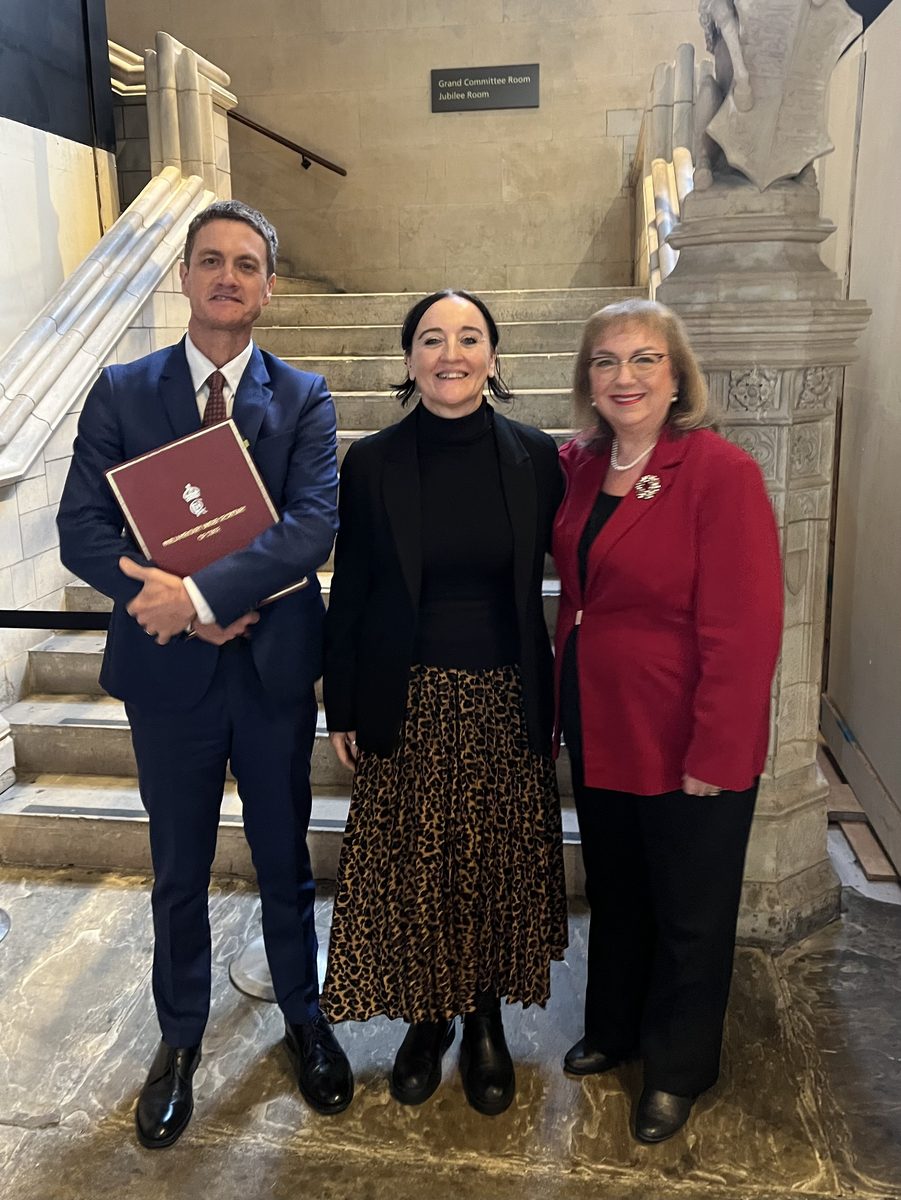
MP Sharon Hodgson has been a steadfast supporter of Sling The Mesh for over ten years. She brings both political commitment and personal insight to the issue, having watched her mam endure the consequences of a TVT bladder mesh implant. Her full speech can be viewed below.