Save non-mesh hernia repair before it’s too late
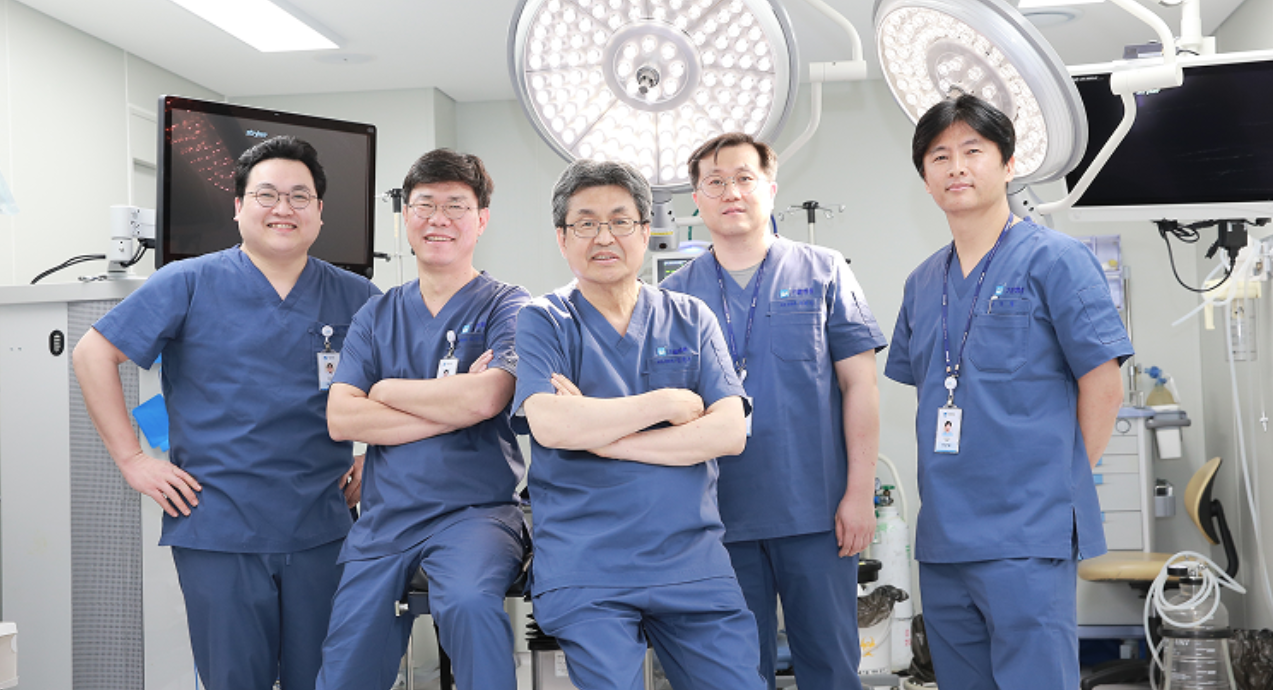
As non-mesh hernia repair skills continue to disappear across much of the world, a fascinating article in The Korea Herald highlights the work of South Korean surgeon Dr Yoon-Sik Kang, who has dedicated his career to developing and refining a mesh-free alternative.
After years of using mesh, Dr Kang began questioning the assumption that implanted mesh was the only acceptable solution when he treated a patient suffering severe pain following hernia mesh surgery.
Rather than accepting such harm as an unavoidable trade-off, he dedicated himself to developing a technique that could reduce recurrence while avoiding the risks associated with permanent implanted mesh.
A Warning for the UK
The story should serve as a wake-up call for the UK.
We are approaching a critical point where a generation of surgeons is being trained almost exclusively in polypropylene mesh-based hernia repair. As fewer surgeons learn and regularly perform native tissue repairs, we risk losing these skills altogether.
Once surgical expertise disappears, it can be extremely difficult to rebuild. If no action is taken, non-mesh hernia repair could become little more than a footnote in medical history.
At Sling The Mesh, we regularly hear from patients who feel they have little choice but to look outside the NHS for treatment options.
Many of our members have travelled to Bio Hernia in Germany and Shouldice Hospital in Canada, both internationally recognised. Others have paid thousands of pounds for private surgery in the UK because they have been unable to find an NHS surgeon who regularly performs non-mesh repairs.
This is not acceptable. Access to treatment choices should not depend on a patient’s bank balance.
Informed consent requires real choice
Too often, hernia surgery is presented as though mesh repair is the only available option. Patients should be informed about all appropriate treatment choices during the consent process, including:
- Polypropylene mesh repair
- Biological mesh repair
- Non-mesh (native tissue) repair
A patient cannot give truly informed consent if alternative approaches are unavailable or never discussed. Some patients may decide mesh repair is right for them after weighing the benefits and risks.
It is about preserving choice.
The NHS should ensure that non-mesh hernia repair skills are maintained, taught and made available. If we allow those skills to disappear, future generations may find themselves with fewer options than patients had decades ago.
The time to act is now, before surgical choice disappears and patients are left with only one path forward.
Further reading:
Does your hospital or surgeon offer genuine choice between mesh and non-mesh hernia repair? We’d like to hear from you.