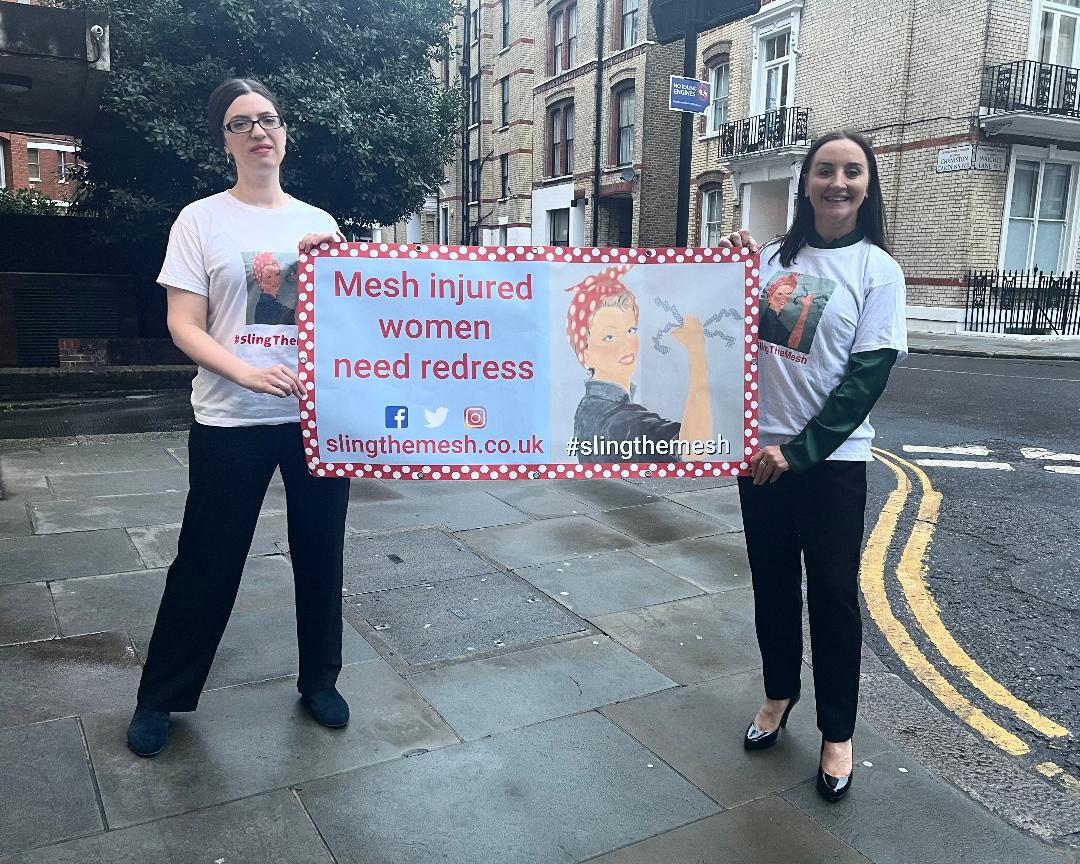
Thousands of women harmed by pelvic mesh deserve redress
We welcome a report by the Patient Safety Commissioner which recommends financial redress for women who’ve had lives destroyed by pelvic mesh.
In a landmark report, Dr Henrietta Hughes found that women were left in debilitating pain following surgery for stress urinary incontinence and prolapse. This has resulted in many having to stop working and face a lifetime of pain that has also impacted negatively on their relationships.
The Hughes report calls on the government to set up a two-stage redress scheme – an interim scheme to identify all those harmed and to ensure patients receive long overdue financial redress quickly. The Commissioner highlights in her report an award of £25,000 via this interim scheme. This would be followed by a main scheme payout, based on the individual needs of each patient.
Kath Sansom, founder of Sling The Mesh, said: “While we are pleased that this report validates the suffering of thousands of women many who have lost jobs, pensions, homes, partners, and live in constant pain, we are concerned that the initial sum of £25,000 is disappointingly low. We hope second stage payments for women directly harmed will compensate for the harrowing irreversible complications they suffer.”
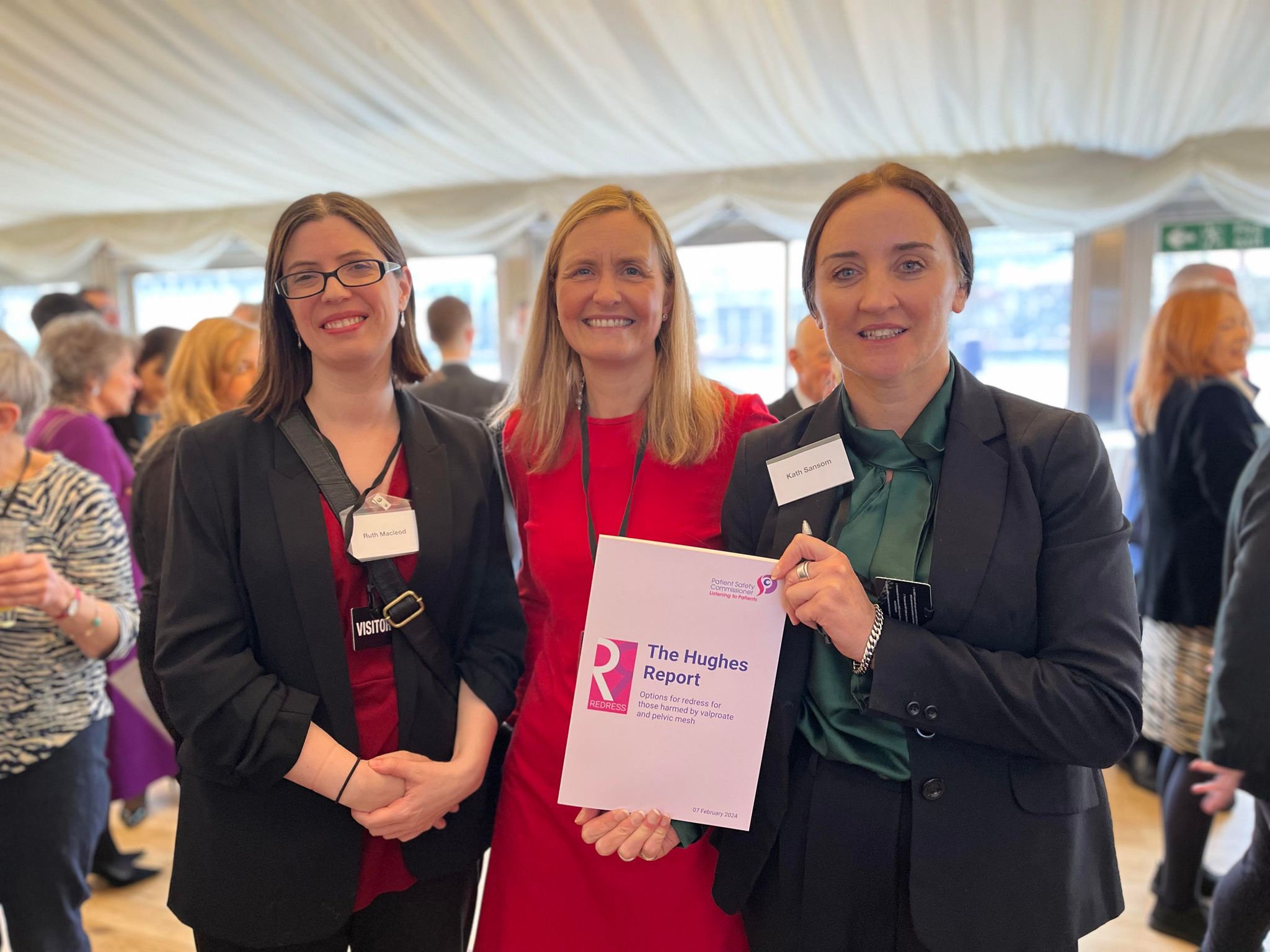

The report also sets out non-financial redress to provide support and drive positive change for those affected by valproate and pelvic mesh-related harm, including a dedicated housing grant and improved access to education, benefits, and support.
It outlines a new redress agency independent of government or arms-length bodies and suggests that the proposed agency to manage redress for those harmed by the contaminated blood scandal could be used, if given sufficient capacity and expertise.
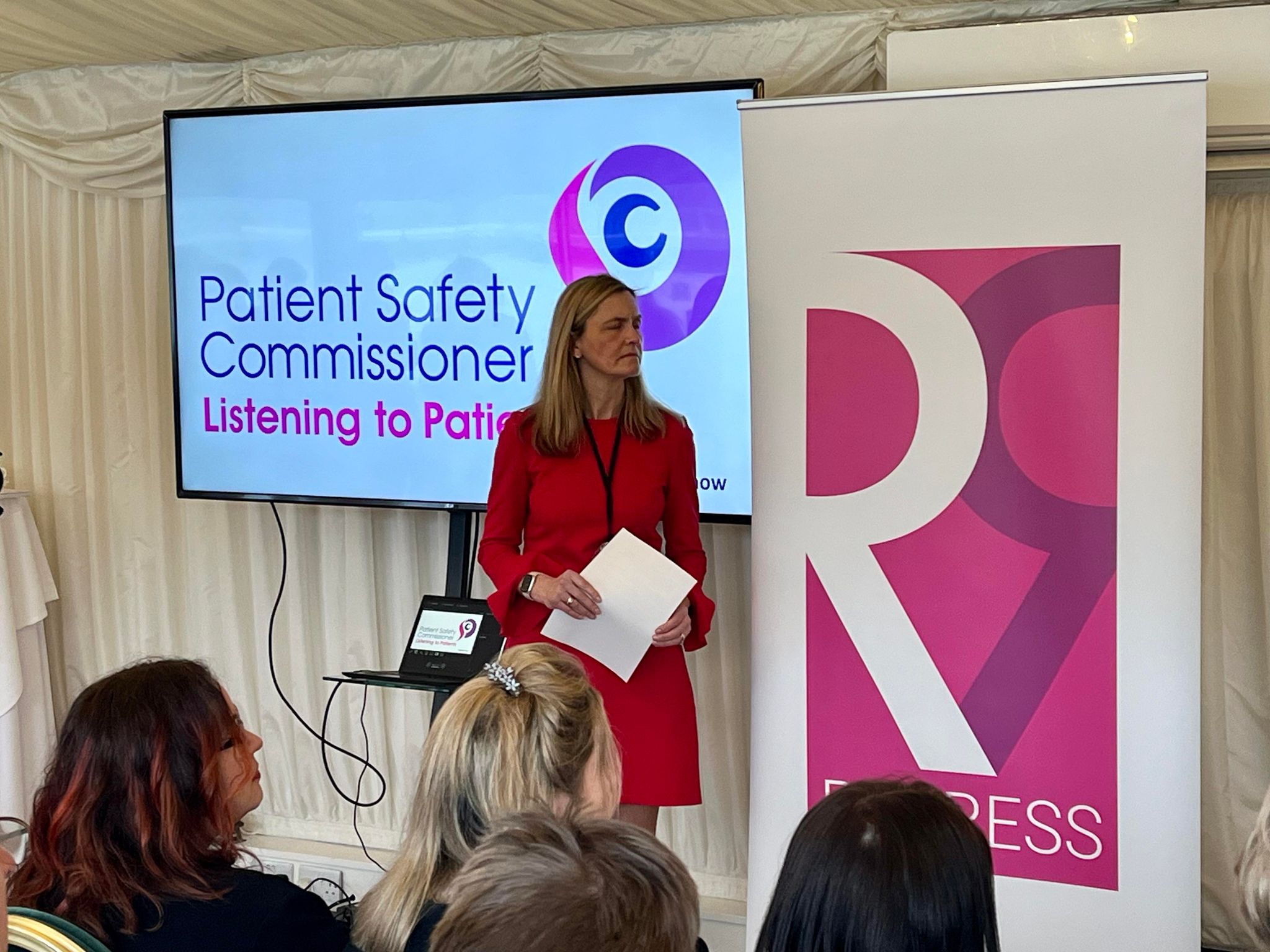
Dr Hughes said: ‘My report could not be clearer – the case for redress has been made. It highlights in detail the daily problems that impact on those who have been harmed, who have seen their lives destroyed by pelvic mesh, and the children who will never be able to live independent lives. We found that those exposed to valproate need specialist care but must battle with every part of the system – diagnosis, treatment, and support services.
‘This redress programme is a crucial step towards acknowledging the challenges faced by families impacted by valproate and pelvic mesh-related harm. Redress is not just financial: we support calls from experts to ensure comprehensive care and support for affected women, children, and their families.’
She called on the government to act immediately. ‘If the government does not accept my recommendations, it would be a cruel and callous disregard for the many vulnerable people who have suffered through no fault of their own. The government would be signalling that they do not care about disabled children, the most vulnerable people in society, or for the women that had their lives destroyed after being told they were receiving a gold standard procedure.’
The Hughes Report: options for redress for harm from valproate and pelvic mesh is at www.patientsafetycommissioner.org.uk